영화 정보

Come, Come, Come Upward
Korean Cinema Retrospective
Rural · Women · Spirituality
- Country / RegionKorea,South
- Production Year1989
- Running Time122min
- Format35mm
- ColorColor
Program Note
Soon-nyeo is a trainee Buddhist nun. Her father, out of guilt for the murders he committed during the Vietnam War, became a monk. As a high-school student, Soon-nyeo inspired a scandal with a teacher who had lost his wife during the Gwangju Democratization Movement. Soon-nyeo believes that True Path will be found by walking among the people, while venerable Jinseong argues that enlightenment must be achieved through inner practice. As Im’s keen inquiries about Buddhism are reflected in Mandala, the film is full of poetic and tragic beauty. Contemporary incidents and the spiritual wounds of the Korean people are dealt exceptionally as Im explores Koreans’ suffering and religious salvation in this masterpiece of his middle-period.
Director
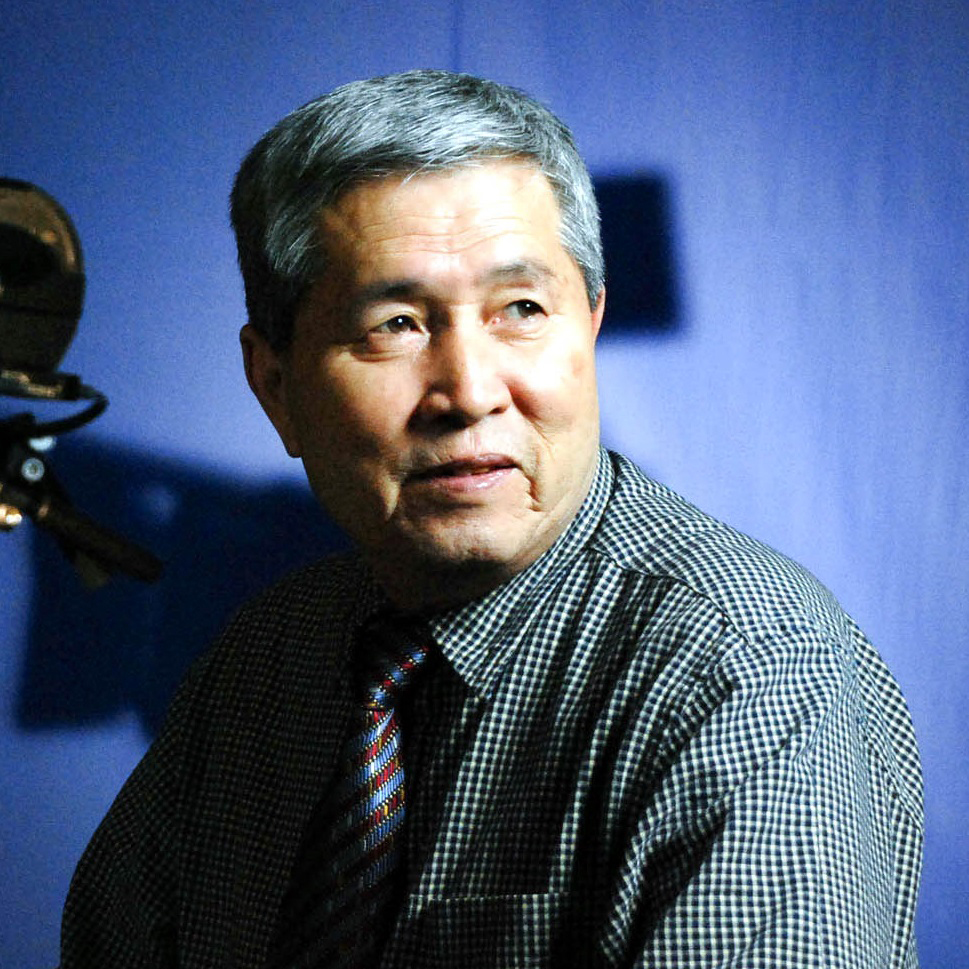
Kwon-taek IM
Born in 1934, Director Im Kwon-taek made his debut with Farewell to the Duman River in 1962 and produced his 101st film, Hanji, in 2011. He is the most renowned Korean film director who has keenly explored the aesthetic uniqueness of Korean films endlessly with passion and experimental zeal. He engraved his name in the history of world cinema with Chihwaseon, which earned him the Best Director award at the Cannes Film Festival in 2002, and he also received the Golden Bear award at the Berlin Film Festival in 2005. Currently in 2013, Director Im is preparing for his 102nd film.
Credit
- Director
Kwon-taek IM - ProducerLEE Tae-won
- CastJin Yeong-mi
YU In-chon - ScreenplayHAN Seung-won
- CinematographyKOO Jong-mo
Photo